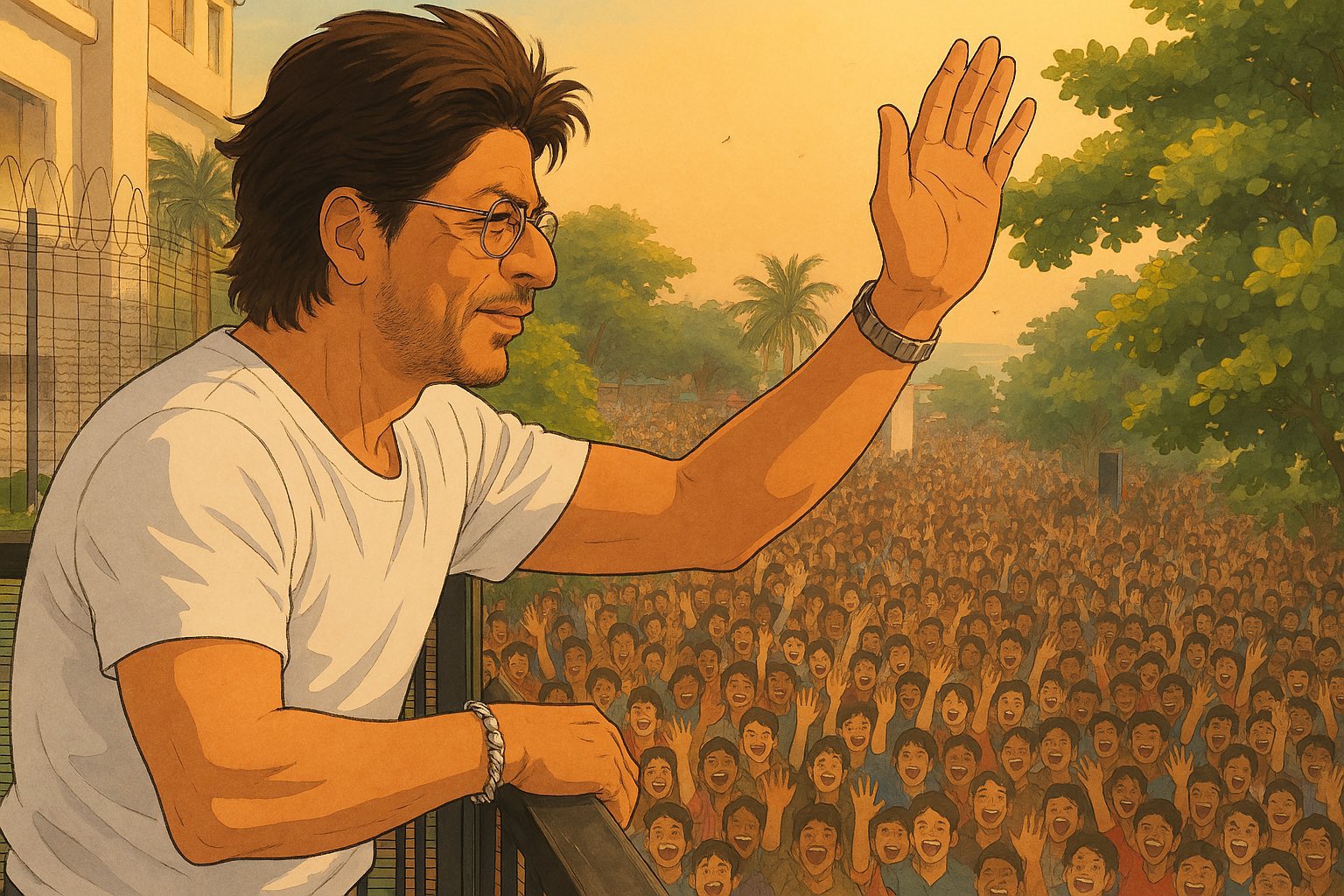
A captivating new trend is sweeping across social media as users harness ChatGPT’s AI capabilities to convert their personal photos into enchanting Studio Ghibli-style images. This phenomenon, often referred to as “Ghiblification,” allows individuals to reimagine themselves within the whimsical worlds reminiscent of films like “Spirited Away” and “My Neighbor Totoro.”
How to Create Ghibli-Style Images Using ChatGPT
OpenAI’s recent update to ChatGPT, powered by the GPT-4o model, introduces an image generation feature that enables users to craft illustrations inspired by Studio Ghibli’s distinctive aesthetic. Here’s a simple guide to get started:
- Access ChatGPT: Visit the ChatGPT website and log in to your account.
- Upload Your Photo: Click on the ‘+’ sign at the bottom left corner to upload the image you wish to transform.
- Enter a Prompt: In the text input field, type a command such as “Ghiblify this” or “Turn this image into Studio Ghibli style.
- Generate and Save: Allow the AI to process your request. Once the Ghibli-style image is generated, click on the download option to save it to your device.
This feature is available to all users, including those on the free tier, making it accessible for everyone to explore and enjoy.
Alternative Platforms for Ghibli-Style Transformations
If you’re seeking other avenues to create Ghibli-inspired art, several platforms offer similar functionalities:
- Fotor’s Ghibli Filter: Utilize Fotor’s AI-driven Studio Ghibli filter to effortlessly convert your photos into Ghibli-style portraits. Simply upload your image, and the tool will handle the rest.
- Getimg.ai’s Ghibli Diffusion: This platform allows users to generate Ghibli-inspired images from text prompts or apply the Ghibli aesthetic to existing photos, providing a versatile tool for creative exploration.
- Deep Dream Generator: By uploading a photo, users can apply the Ghibli style using this generator, which offers an intuitive interface for seamless transformations.
Public Figures Embrace the Ghibli Trend
The Ghibli-style image trend has garnered attention from various public figures. Andhra Pradesh Chief Minister N. Chandrababu Naidu joined the movement by sharing Ghibli-inspired images on social media. He posted animated versions of photos featuring himself with Prime Minister Narendra Modi and Deputy Chief Minister Pawan Kalyan at a coalition victory meeting, a family photograph, and an image of himself consoling flood-affected victims. These images were transformed into the Ghibli animation style before being shared.
Similarly, Prime Minister Narendra Modi’s Ghibli-style portraits have sparked online buzz. A series of 12 animated portraits depicting various public engagements and national initiatives were shared, capturing widespread attention.
Ethical Considerations and Copyright Concerns
While the ability to create Ghibli-style images has been met with enthusiasm, it has also sparked discussions regarding copyright and ethical implications. Studio Ghibli’s co-founder, Hayao Miyazaki, has previously expressed disapproval of AI-generated art, describing it as an “insult to life itself.” Additionally, legal experts question whether AI tools trained on copyrighted works have the necessary permissions, raising concerns about the potential impact on human artists’ livelihoods.
As this trend continues to gain momentum, it’s essential for users to be mindful of these considerations and respect the boundaries of intellectual property while exploring the creative possibilities offered by AI.