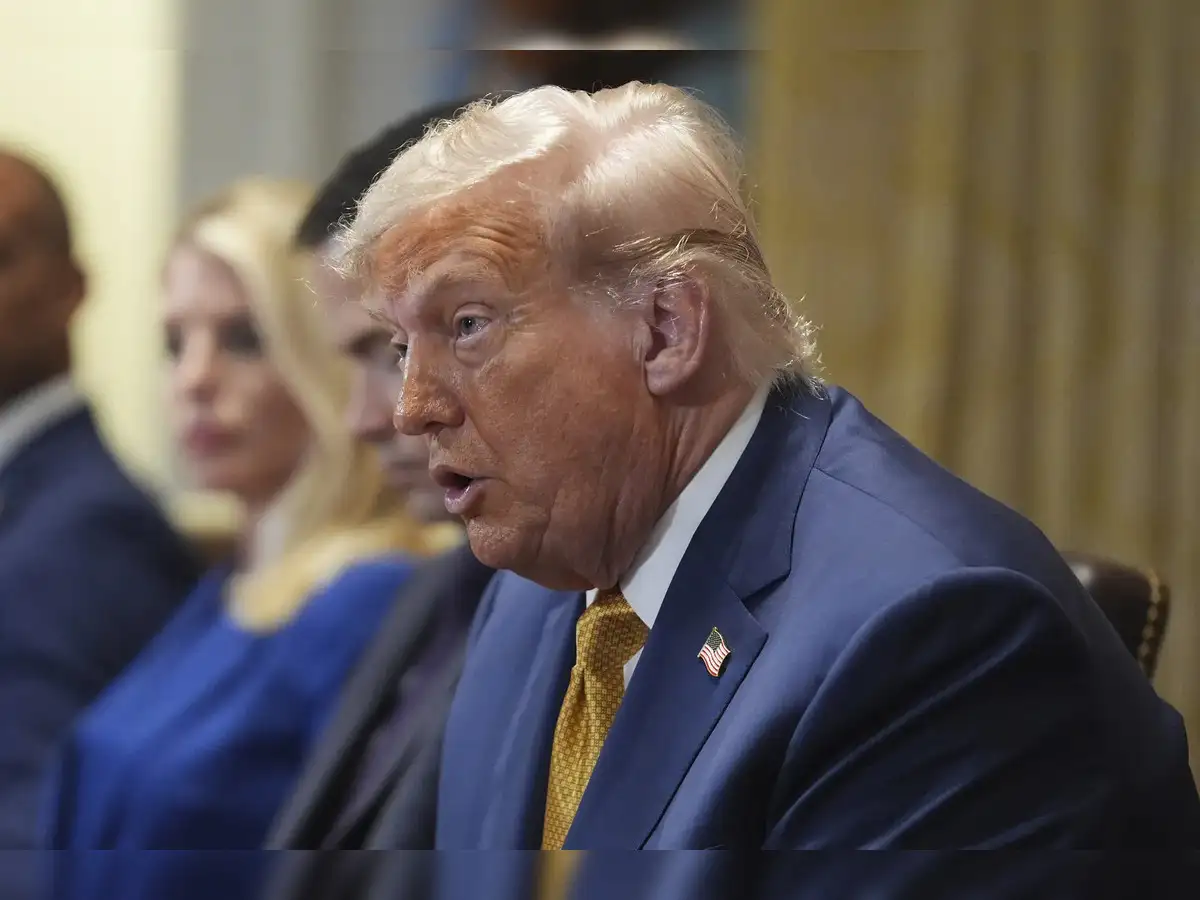
US President Donald Trump has issued a stern warning to India regarding its ongoing imports of Russian crude oil, indicating that non-compliance could lead to increased tariffs on Indian goods. This warning comes in the context of existing trade penalties that impose a 50% tariff on Indian exports to the United States, a significant portion of which is attributed to India’s purchases of Russian oil. Trump expressed his dissatisfaction with India’s actions during a recent flight and stated that he believes Prime Minister Narendra Modi is aware of the situation and the potential consequences.
India’s Crude Oil Imports: A Growing Concern
India’s crude oil imports have experienced significant fluctuations, particularly concerning its relations with Russia and the United States. Data from the Ministry of Commerce and Industry shows that between April and November 2025, India imported a total of 178.1 million tonnes of crude oil, of which approximately 60 million tonnes came from Russia, making it the largest supplier during this period. In contrast, imports from the United States surged, increasing by over 92% year-on-year, totaling about 13 million tonnes. This shift has raised the US’s share of India’s crude oil imports from 4.3% to 7.6%, while Russia’s share has decreased from 37.9% to 33.7%.
The consequences of recent US sanctions on Russian oil companies, particularly Rosneft and Lukoil, have yet to be fully reflected in these figures. Major Indian refiners, including Reliance Industries, are beginning to reassess their purchasing strategies to mitigate potential secondary sanctions. The evolving dynamics of India’s crude oil imports underscore the delicate balance the country must maintain between its energy requirements and its international diplomatic relations.
The Importance of a Clear Stance
Experts are urging India to clarify its position regarding Russian oil imports, as the current ambiguity may undermine its strategic standing. Ajay Srivastava, founder of the Global Trade Research Initiative (GTRI), posits that if India intends to halt imports from Russia, it should make a decisive move. Conversely, if it aims to continue purchasing from non-sanctioned Russian suppliers, this should be communicated clearly. The lack of clarity could leave India vulnerable to further pressure from the US, particularly since there is no guarantee that halting Russian oil imports would mitigate demands from the Trump administration.
The situation is further complicated by the possibility that US pressure may extend to other sectors, such as agriculture and digital trade, regardless of India’s actions regarding Russian oil. Unlike China, which has managed to maintain a more favorable position while being a significant buyer of Russian oil, India faces a distinct set of challenges. The ongoing use of tariffs as leverage by the US may not be a permanent strategy, intensifying the urgency for India to adopt a clear and consistent approach.
Trade Relations Under Threat
The trade relationship between India and the United States is increasingly strained, with Indian exports to the US recording a decline of 20.7% between May and November 2025. The looming threat of higher tariffs could worsen this decline, prompting calls for India to take a firm stance on its Russian oil imports. As the US continues to exert pressure, India must navigate its energy requirements while addressing potential fallout from its trade decisions.
The current political climate in the United States may affect the duration and intensity of the tariff threats. Other countries, including members of the European Union, Japan, and South Korea, have opted to reduce their Russian crude imports to ease tensions with Washington. However, India’s approach remains unique as it tries to balance its energy needs with international relations. It is becoming increasingly critical for India to communicate its decisions regarding Russian oil imports clearly in order to sustain its trade relations with the US.
Digihunt is not a financial advisor and this is not investment advice.