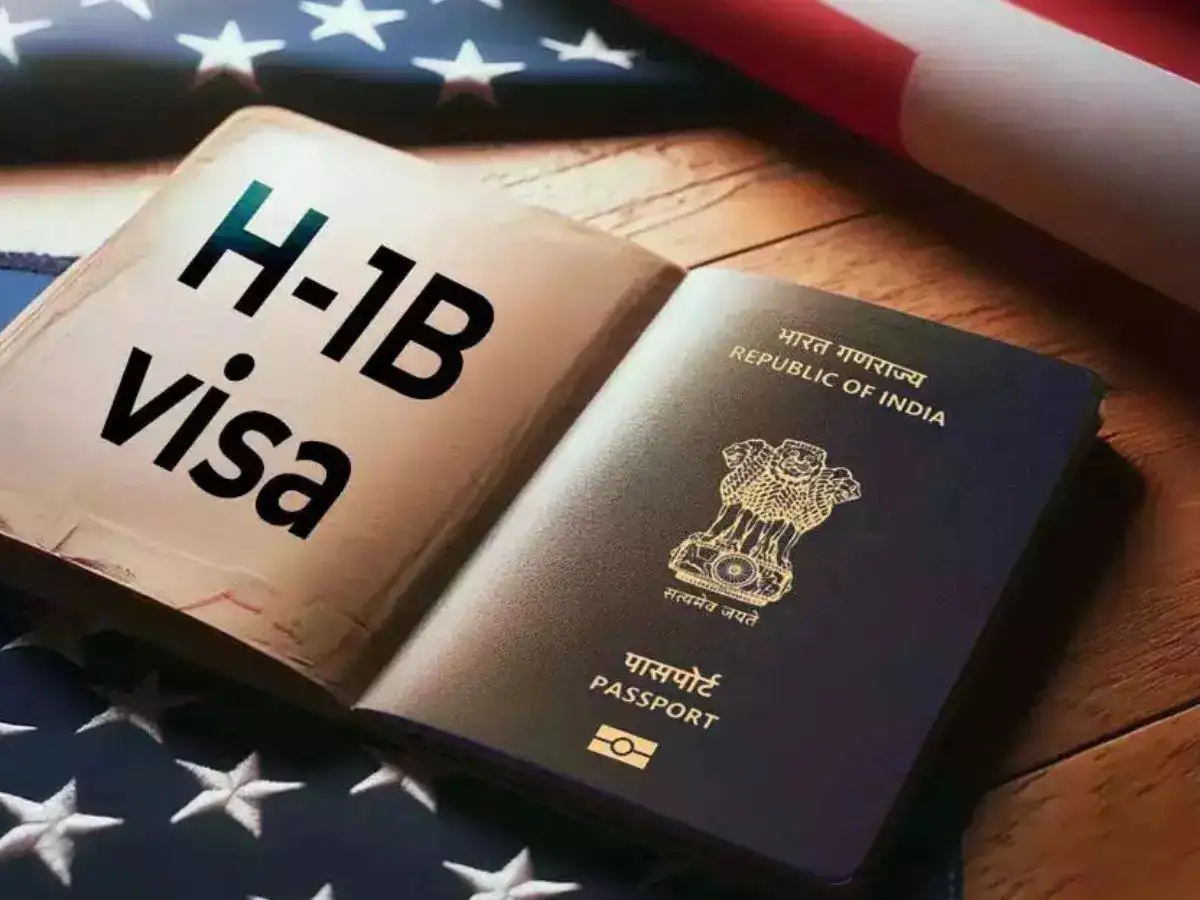
New regulations surrounding the H-1B visa program have raised significant concerns among Indian professionals aspiring to work in the United States. Recent changes have introduced a substantial increase in application fees and eliminated the lottery system for visa selection. These modifications are perceived as a tightening of immigration policies, casting doubt on the prospects for skilled foreign workers in the U.S. The impact of these changes is especially notable for Indian nationals, who constitute the largest group of H-1B visa holders.
Overview of the New H-1B Visa Rules
The recent alterations to the H-1B visa program mark a major shift in the selection of skilled foreign workers by the U.S. The Trump administration has implemented two primary changes: a one-time surcharge of $100,000 for new H-1B petitions filed from outside the U.S. and a transition away from a lottery-based selection system to a method that prioritizes applicants with higher salaries and specialized skills. Previously, individuals had an equal chance of selection through a random lottery. Under the new regulations, those with higher salaries and specialized skills will find a better opportunity for being granted an H-1B visa.
These changes will come into effect on February 27, 2026, for the fiscal year 2027 H-1B cap registration season. The annual quota for H-1B visas remains at 85,000, which includes 65,000 under the regular cap and 20,000 for applicants with advanced degrees from U.S. institutions. The new system is expected to significantly affect Indian professionals, who account for over 70% of H-1B visa holders.
Impact on Indian Professionals
The new regulations present a dual challenge for Indian professionals pursuing H-1B visas. Firstly, the application fee has skyrocketed from an average of $5,000 to a striking $100,000, making the application process considerably more expensive. Secondly, the switch to a wage-weighted selection process puts many applicants—especially recent graduates and those lacking experience with multinational companies—at a disadvantage. This group often includes software engineers, data analysts, and other skilled workers who typically depend on the H-1B lottery for their visa applications.
Experts suggest that these changes will likely decrease the number of applicants. Kuldip Kumar, a partner at Mainstay Tax Advisors, notes that the new system might filter out many potential candidates, leaving only those with higher salaries and specialized skills. Consequently, this could create a more competitive environment where only the most qualified candidates are chosen.
Exploring Alternatives to H-1B Visas
As the H-1B visa pathway becomes more restrictive, both employers and professionals are investigating alternative routes to work in the U.S. While there is no direct substitute for the H-1B visa, various options can be considered based on individual qualifications and circumstances. One alternative is the L-1 visa, which allows multinational companies to transfer employees to the U.S., but this option is limited to those who have worked for the same employer outside the U.S. for at least one continuous year.
Other alternatives include the EB-5 visa, which paves a pathway to a green card through investment, and the O visa for individuals with extraordinary abilities. These options may offer viable solutions for those encountering challenges with the H-1B visa process. Piyush Gupta, Vice President at CanAm Enterprises, highlights the increasing interest in the EB-5 visa among Indian families seeking stability and long-term residency in the U.S.
The Future of Immigration Policies
The unpredictability of immigration policies under the Trump administration raises concerns for many applicants. Experts warn that the recent changes reflect a broader trend toward stricter scrutiny and higher compliance costs for employers. Kuldip Kumar emphasizes that applicants may experience increased scrutiny throughout the application process, including more rigorous interviews and background checks.
As the U.S. continues to focus on protecting domestic employment and wages, it is possible that other employment-based visa categories, including the L-1, may undergo closer examination. While the current changes are noteworthy, ongoing discussions in Congress regarding immigration reform may result in further modifications in the future. The evolving landscape of U.S. immigration policy will undoubtedly shape the experiences of skilled foreign workers, especially those from India, in the coming years.
Digihunt is not a financial advisor and this is not investment advice.