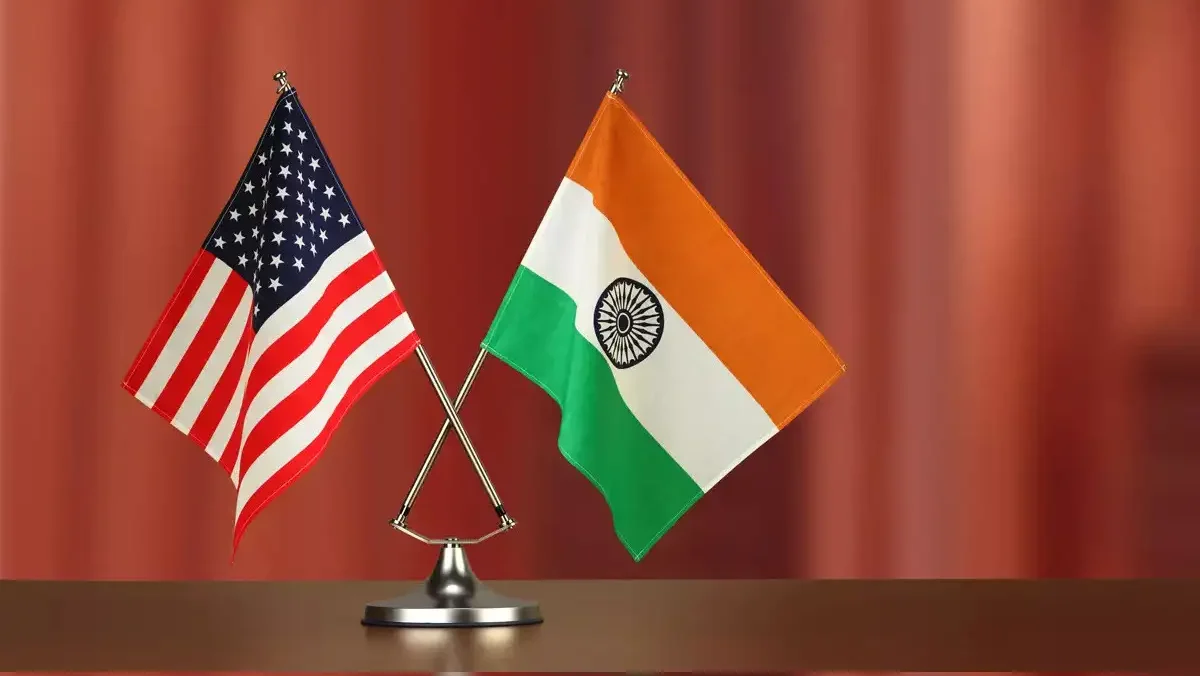
India is actively pursuing a trade agreement with the United States while closely examining its crude oil purchases from both Russia and the U.S. This initiative is part of ongoing negotiations with Washington, as New Delhi anticipates a potential decline in imports of Russian crude oil to below one million barrels per day. The backdrop includes previous tensions over trade imbalances and tariffs imposed by the Trump administration, which raised duties on Indian goods in response to India’s significant purchases of discounted Russian oil.
India’s Crude Oil Purchases Under Scrutiny
Since the onset of the Ukraine conflict in 2022, India has emerged as the largest buyer of discounted Russian seaborne oil. This surge in imports has drawn criticism from Western nations, which argue that the revenue from these oil sales is supporting Russia’s military efforts. In response to these concerns, Indian officials are striving to provide accurate and timely data on crude oil imports to the United States. The Petroleum Planning and Analysis Cell, a part of India’s oil ministry, has mandated that refiners submit weekly reports detailing their crude purchases from both Russia and the U.S.
A government official highlighted the significance of presenting verified figures to the U.S., stating, “We want timely and accurate data on Russian and U.S. oil imports so that, when the U.S. asks for information, we can provide verified figures instead of them relying on secondary sources.” This request signifies a notable shift from the traditional monthly reporting by refiners. The demand for weekly updates underscores the complexities of ongoing trade negotiations between India and the U.S.
Trade Negotiations and Tariff Challenges
The issue of Russian crude oil has become a focal point in the trade discussions between India and the United States. While other major economies have successfully negotiated agreements with Washington to reduce the high tariffs initially imposed by the Trump administration, India has yet to achieve a similar outcome. Negotiations encountered a setback in late July when India resisted U.S. demands to open its agricultural markets to American products. Despite the imposition of a 50% tariff on Indian goods, dialogue between U.S. President Donald Trump and Indian Prime Minister Narendra Modi has continued, with negotiations recently resuming.
However, India’s ongoing purchases of Russian oil continue to complicate these discussions. Trump claimed in October that Modi had promised to stop imports of Russian crude, a statement publicly contested by New Delhi, which emphasizes that Russian oil is crucial for meeting its energy needs. As negotiations advance, the Indian government has not formally instructed refiners to reduce Russian oil imports, although industry sources predict that average imports may fall below one million barrels per day shortly.
Impact of Sanctions on Russian Oil Imports
Increased sanctions by the United States and the European Union have already begun to impact Russian oil shipments to India. Recent data from analytics firm Kpler shows that imports have significantly dropped to around 1.2 million barrels per day in December, the lowest level in three years. This figure represents a 40% decline from a peak of approximately two million barrels per day recorded in June.
As India navigates its energy requirements and international relations, maintaining a balance between securing affordable oil and fostering diplomatic ties with the U.S. is increasingly delicate. The government is acutely aware of the implications of its oil purchases on broader trade negotiations and is proactively ensuring transparency in its dealings. The evolving situation underscores the complexities of global energy markets and the geopolitical dynamics at play.
Digihunt is not a financial advisor and this is not investment advice.