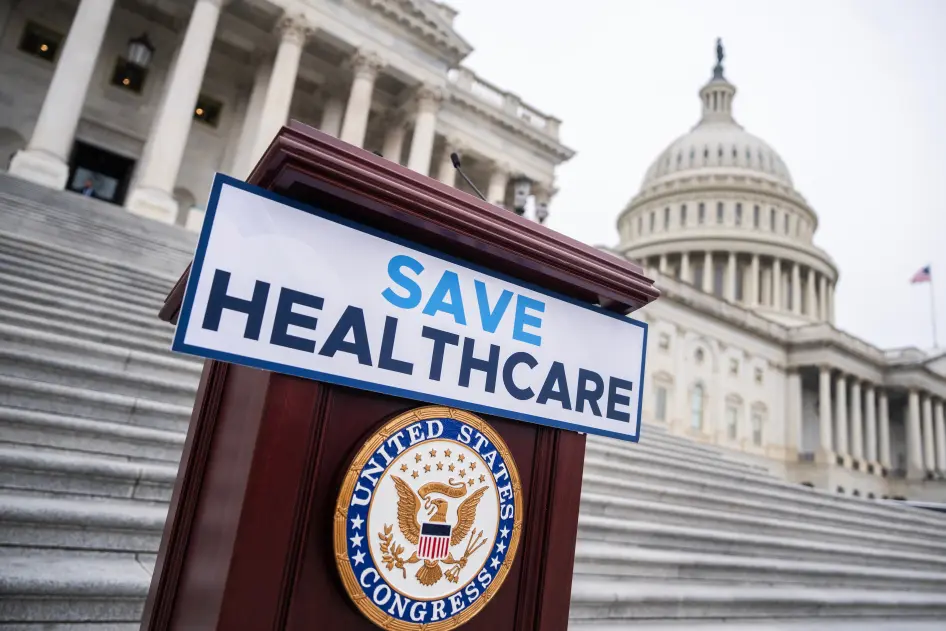
Millions of Americans are preparing for a notable increase in healthcare costs as the enhanced tax credits under the Affordable Care Act (ACA) expired on January 1, 2026. This change impacts over 20 million individuals reliant on these subsidies, with many facing premium costs that have more than doubled. The enhanced credits were introduced during the COVID-19 pandemic to provide financial assistance to low- and middle-income families. Despite bipartisan attempts to address the issue, a resolution is still not in sight, leaving many to confront difficult choices regarding their healthcare coverage.
Impact of Subsidy Expiration
The end of the enhanced ACA tax credits has imposed a financial strain on millions of Americans. Originally part of the ACA enacted during the Obama administration, these subsidies were temporarily increased during the pandemic to broaden coverage and aid those in need. Following their expiration, average premium costs have surged, making healthcare increasingly unaffordable for many enrollees. For instance, Katelin Provost, a single mother, shared that her monthly premium soared from $85 to nearly $750. Similarly, Stan Clawson, a freelance filmmaker with paralysis, reported an increase from $350 to almost $500. Such significant hikes in costs are driving individuals to rethink their healthcare options, with some considering dropping their coverage entirely.
Political Stalemate and Future Prospects
The political environment surrounding the ACA subsidies has been marked by tension, culminating in a 43-day government shutdown as lawmakers attempted to tackle the issue. Despite the urgency, both Republicans and Democrats have struggled to agree on a strategy to restore the subsidies. A potential House vote scheduled for January 2026 might offer another chance for a resolution, although the outcome is uncertain. The persistent political gridlock has left many Americans feeling disregarded in their healthcare needs. Chad Bruns, a 58-year-old enrollee from Wisconsin, expressed his frustration, calling on both parties to take meaningful action instead of merely discussing the need for reform.
Consequences for Coverage and Health Outcomes
Health experts are raising alarms about the potential repercussions of the subsidy expiration. The Urban Institute and Commonwealth Fund project that around 4.8 million Americans may lose their health coverage in 2026 as rising costs compel younger, healthier individuals to forgo their plans. This shift could result in a more expensive program for older and sicker participants who choose to remain in the system. As people like Provost face tough choices—such as dropping their own coverage to ensure insurance for their children—the long-term implications for public health and healthcare costs could be profound. This situation highlights the urgent need for a solution as the nation approaches a pivotal midterm election year, where healthcare affordability stands out as a key concern for voters.
Public Sentiment and the Road Ahead
The expiration of the enhanced ACA tax credits has generated widespread worry among the public, especially as many families face challenging financial situations. Those affected express a strong sense of frustration and urgency, urging lawmakers to act quickly to address rising costs and reinstate the subsidies. As political battles continue, the stakes are high for millions who depend on affordable healthcare. The success of forthcoming legislative efforts will be critical in shaping the future of healthcare coverage and affordability in the United States. With midterm elections approaching, how candidates tackle this issue could significantly sway voter sentiment and turnout.
Digihunt is not a financial advisor and this is not investment advice.