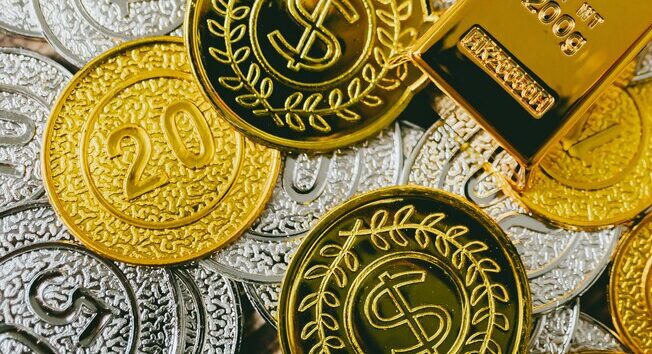
In India, gold has firmly established itself as the leading asset class of the millennium, surpassing equities and even silver, which has gained traction among investors recently. Since the end of 1999, gold prices have surged from around Rs 4,400 per 10 grams to over Rs 1.4 lakh, reflecting a compounded annual growth rate (CAGR) of 14.3%. Silver has also shown remarkable growth, with prices increasing from Rs 8,100 per kilogram to approximately Rs 2.5 lakh, achieving a CAGR of 14.1%. This trend mirrors global markets, where both precious metals garner significant interest.
Gold and Silver’s Remarkable Growth
The growth of gold and silver in India has been extraordinary. From late 1999, gold prices have increased dramatically from about Rs 4,400 per 10 grams to slightly above Rs 1.4 lakh today, translating to a noteworthy CAGR of 14.3%. Similarly, silver prices have risen from Rs 8,100 per kilogram to over Rs 2.5 lakh, achieving a CAGR of 14.1%. In comparison, the National Stock Exchange’s Nifty index has delivered a CAGR return of 11.7%, while the Sensex has provided 11.5%. If the Sensex had matched silver’s returns, it would currently be around 1.6 lakh points, nearly double its existing level of approximately 85,000 points. Likewise, the Nifty would need to hit about 48,000 points to align with silver’s performance.
Factors Driving Demand for Precious Metals
The primary demand for gold in India originates from the jewellery sector, where it is traditionally viewed as a safe investment. It is estimated that household gold holdings in India might equal or slightly exceed the country’s GDP, making India one of the top two gold consumers worldwide. Recently, demand for silver has shifted, with local jewellers noting an uptick in interest for silver jewellery, alongside traditional usages like coins and utensils. This trend is partly driven by rising prices, encouraging consumers to consider mixed-metal jewellery options.
Several factors have fueled increasing demand for these precious metals. Interest rate cuts in the United States have enhanced gold and silver’s appeal, as reduced rates diminish the dollar’s value against other currencies, making these metals more affordable locally. Geopolitical tensions and policy uncertainties have also heightened awareness of gold as a safe-haven investment, although this aspect is more prominent for gold compared to silver.
The Role of ETFs and Industrial Demand
Exchange-Traded Funds (ETFs) have significantly impacted the rising prices of gold and silver. These investment vehicles offer a regulated and streamlined approach for investors to gain exposure to precious metals. Vikram Dhawan from Nippon India Mutual Fund emphasizes that while gold prices may exhibit short-term volatility, its role as a portfolio diversifier remains crucial within a disciplined asset-allocation strategy.
Additionally, silver’s demand is being supported by its applications in fast-growing sectors such as solar energy, electric vehicles, and semiconductors. Analysts have observed that although silver demand is rising, supply hasn’t kept pace, exerting upward pressure on prices. This mounting industrial demand, combined with the traditional allure of both metals, indicates that their strong performance may persist in the foreseeable future.
Market Outlook and Future Trends
The outlook for gold and silver appears optimistic, driven by a blend of traditional demand and emerging market trends. As investors continue to seek portfolio diversification, the strategic significance of gold and silver is likely to remain high. The ongoing interest in ETFs and the expanding industrial applications of silver bolster this trend. Market participants anticipate that the factors influencing demand, including geopolitical uncertainties and economic conditions, will continue to impact the pricing of these precious metals.
Digihunt is not a financial advisor and this is not investment advice.