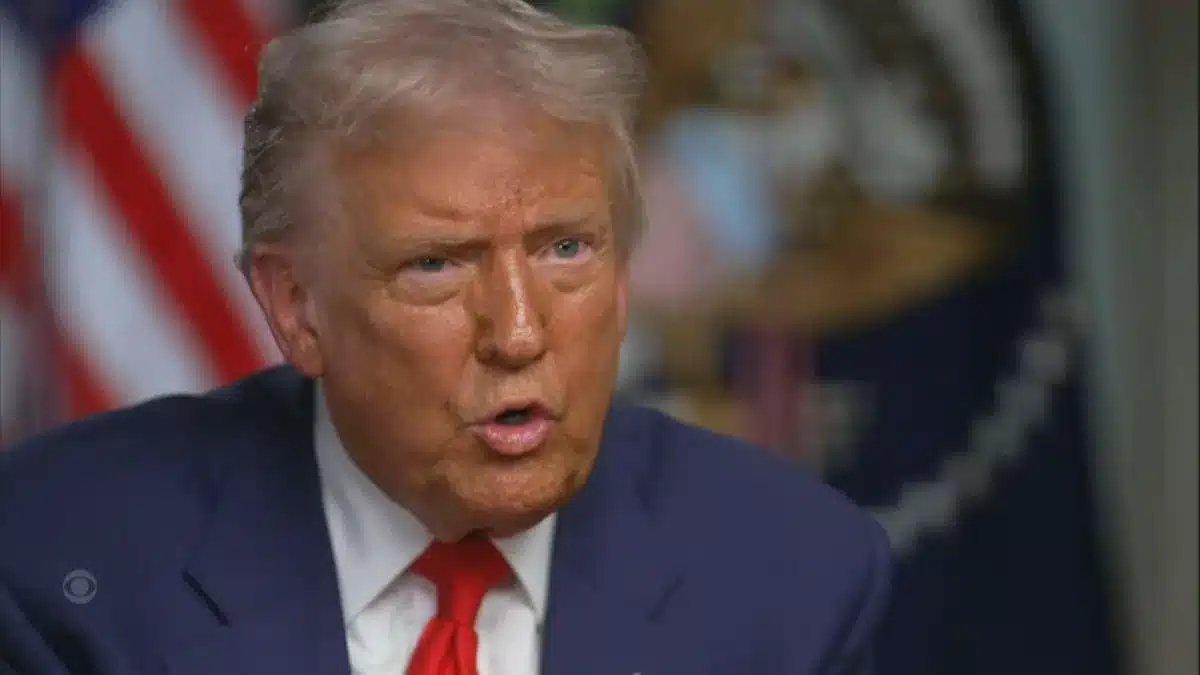
Donald Trump has officially embarked on his second term as President of the United States, declaring it the dawn of a “golden age” for America. This time, he is adopting a more aggressive approach to trade, using tariffs as a key foreign policy tool. Within less than a year, these tariffs have emerged as a cornerstone of his administration, reshaping international relations and economic strategies globally. As Trump champions the motto of “America first,” the repercussions of his tariff policies resonate broadly, impacting allies and rivals alike.
Trump’s Tariff Strategy
Upon assuming office in January, Trump signaled a departure from quiet trade negotiations. He reaffirmed his long-held belief that tariffs serve not only as economic instruments but also as tools of power. This change has transformed tariffs into a weapon of American foreign policy, unsettling allies and compelling rivals to reevaluate their economic tactics. Consequently, the average US tariff rate has escalated significantly, reaching nearly 17%, in stark contrast to under 3% at the end of 2024. This sharp increase has brought in approximately $30 billion monthly for the US Treasury, a revenue stream the administration has publicly lauded.
The implications of these tariffs have been extensive. Countries like China and India have encountered some of the harshest measures, while neighboring Canada and Mexico have also engaged in tariff disputes. The Trump administration justifies these actions as part of a larger effort to revitalize American manufacturing and diminish trade deficits. However, the intertwining of trade policy with geopolitical concerns, particularly in relation to the war in Ukraine and ties with Russia, has complicated the scenario.
Impact on Global Trade Relations
The international response to Trump’s tariff policies has been prompt and varied. Leaders from Europe to Asia have frequently visited Washington, seeking exemptions or negotiated limits on tariffs in exchange for commitments to invest in the United States. Several framework agreements have been reached with partners, including the European Union, the United Kingdom, and Japan. Nonetheless, the most critical relationships, particularly with China and India, remain unresolved.
In April, Trump reignited a tariff war with China by imposing a staggering 145% duty on Chinese goods. Beijing retaliated with a 125% tariff on American products, escalating tensions between the two largest economies. Although Washington later softened its stance, reducing tariffs to 30%, China’s trade surplus has continued to grow. This resilience indicates that China has adapted to the tariff pressures by diversifying its economy and enhancing its manufacturing capabilities.
Relations with Canada and Mexico have soured as well under Trump’s administration. Both nations have faced steep tariffs, with Canada incurring a 35% tariff on its goods. The US has demanded a return to freer trade, which includes opening Canadian dairy markets and removing penalties on American digital platforms. Mexico has also endured significant tariffs, further straining North American supply chains.
Challenges and Economic Implications
Despite Trump’s ambitious objectives to rejuvenate American industry and create jobs, the economic outcomes of his tariff-heavy approach have been mixed. Manufacturing employment has shown minimal growth since January, reporting increases in factory jobs in only two of ten months. The sudden tariff increases have also led to price pressures across various sectors, affecting automobiles and consumer goods. The White House has recognized these challenges, with Chief of Staff Susie Wiles admitting that the situation has been “more painful than expected.”
As the administration contends with economic repercussions, it has begun to alleviate some of the pressure by lowering tariffs on select agricultural imports and announcing a $12 billion aid package for farmers. Discussions regarding stimulus checks funded by tariff revenues have also surfaced. Economists remain divided on whether the tariffs will cause temporary spikes in inflation or lead to more enduring price increases, adding to the uncertainty enveloping the US economy.
The Future of Global Trade
In less than a year, Trump has notably transformed the global trading landscape, creating a more volatile environment influenced by political calculations and economic pressures. While his administration aims to restore American strength and manufacturing capabilities, the dangers of isolating the US and accelerating a multipolar shift in global power dynamics are becoming increasingly evident. As nations like India and China resist US tariffs and the Brics bloc expands, the effectiveness of Trump’s strategy remains uncertain.
A larger question arises: Are Trump’s tariff wars reinstating American dominance, or are they hastening the emergence of a world less inclined to comply with Washington’s demands? As global trade enters this new chapter, the outcome of these policies will significantly influence international relations for years to come.
Digihunt is not a financial advisor and this is not investment advice.