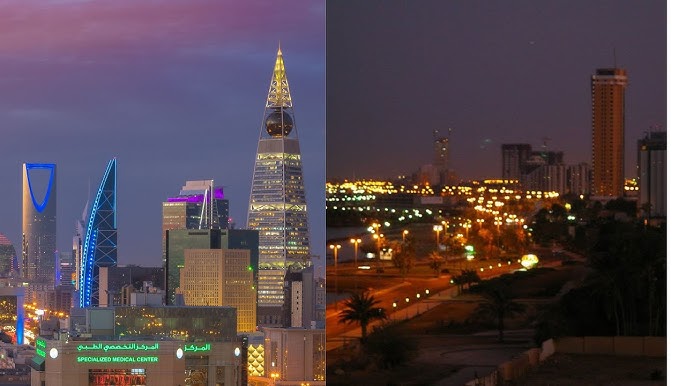
As Saudi Arabia embarks on its ambitious Vision 2030 initiative, the economic landscape for residents is experiencing substantial changes. With a focus on diversifying the economy, the cost of living is evolving, impacting both citizens and expatriates. While inflation remains modest at around 2.3%, rising housing costs and shifting wage dynamics are creating financial pressures that residents must navigate in one of the Gulf’s most rapidly growing economies.
Inflation Steady but Cost Pressures Persist
Saudi Arabia’s annual inflation rate stands at approximately 2.3% as of mid-2025, reflecting a slight increase from earlier in the year. This rise is largely driven by escalating housing costs and rents, which have surged by about 7%. Conversely, prices for transportation and certain consumer goods have decreased, offering some relief. The Consumer Price Index (CPI) shows significant increases in categories such as housing, water, electricity, gas, and fuel. Given that housing comprises a substantial portion of household expenses, these rising costs significantly impact everyday financial obligations for residents.
Housing: A Major Component of Living Costs
In major urban centers like Riyadh and Jeddah, rental prices continue to rise, fueled by strong demand for residential properties amid rapid urbanization and infrastructure development. To alleviate the burden on tenants, Saudi authorities have announced a five-year freeze on rent increases in Riyadh, aimed at curtailing the rapid escalation of housing costs. For numerous households, especially expatriates who typically pay rent directly, housing remains the largest monthly expense. The cost of renting a one-bedroom apartment can range from SAR 2,000 to SAR 8,000 ($540 to $2,160), with larger units or accommodations in compounds demanding even higher prices. This trend underscores the ongoing challenges residents face in managing their housing budgets.
Everyday Expenses: What Families and Workers Are Paying
Beyond housing, the cost of living in Saudi Arabia varies significantly based on lifestyle and location. For instance, groceries for an individual average around SAR 747 per month (approximately $202), with staple items like rice, eggs, and milk remaining relatively affordable despite price increases in other areas. Utility costs and internet services are generally moderate compared to global standards, with monthly bills typically amounting to hundreds rather than thousands of riyals. Public transportation fares are low, and fuel prices are among the cheapest worldwide, contrasting sharply with many Western cities. Dining out contributes to daily expenses, with local restaurant meals proving quite affordable, while higher-end dining options reflect a broader range of urban lifestyle choices.
Wages vs. Costs: A Growing Disparity in Saudi Arabia
Despite the modest inflation rate, the cost of living is rising faster than wage growth, particularly for expatriates. Recent reports indicate that while overall inflation hovers around 2% to 2.3%, rental costs in key urban areas have escalated at much higher rates, placing added strain on household budgets. Expat salaries have stagnated, with annual raises not keeping pace with the increasing costs of housing, especially in competitive markets like Riyadh. This situation has prompted some foreign professionals to reevaluate their relocation packages and salary expectations, highlighting the growing disparity between wages and living expenses in the Kingdom.
As Saudi Arabia continues to navigate its economic transformation, the interplay between rising costs and stagnant wages remains a critical issue for residents, influencing their financial decisions and lifestyle choices.
Digihunt is not a financial advisor and this is not investment advice.