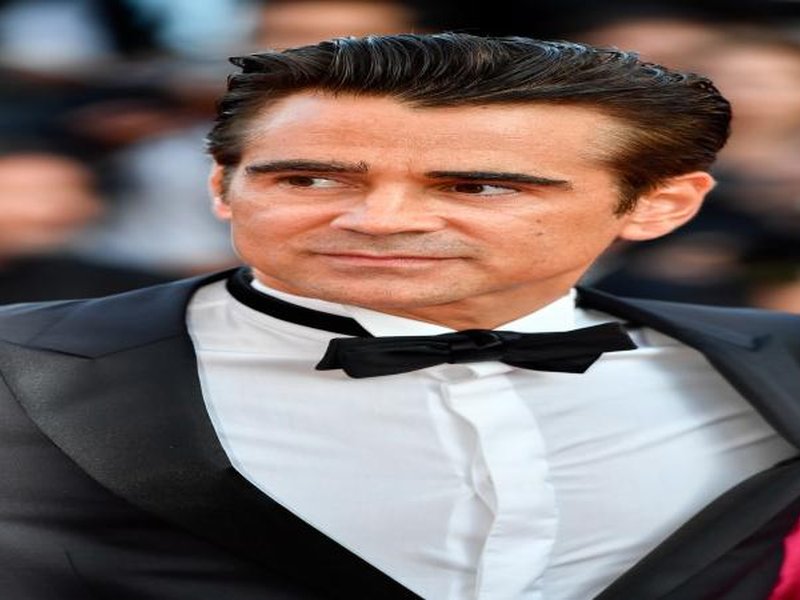
Hollywood star Colin Farrell, known for his compelling performances, plays an addict in his latest film, Ballad of a Small Player. He shared his affinity for roles that delve into the darker aspects of life, emphasizing that every human experiences difficult moments.
Exploring Human Pain
Farrell expressed: “I have mad moments of joy in my life, joy in my work and joy with my kids. But I’ve always felt that the common denominator in regard to human experience is pain. The one thing we’ve all felt, really, is pain. I put fear and uncertainty under that banner.”
He noted the tragedy that not everyone has experienced joy and stated, “But I’m fascinated with pain. Every single act of aggression or violence has its root in pain that has become personalized.” This insight came during a conversation with Jessie Buckley for Variety’s Actors on Actors series.
Personal Experience and Character Exploration
Despite his own past struggles with addiction, Farrell mentioned that he did not rely on his personal history for this particular role. He believes that addiction is a “particular” experience. “When I read Ballad, it was a character that—there was no reason, no backstory given in the script—he just was somebody who was drowning beneath this agitated pain. I couldn’t really figure it out when I read it. I concocted whatever fiction for myself in regard to backstory. But I just wanted to explore it,” he said.
Farrell acknowledged, “I’ve had a history of addiction and bits of depression and anxiety—the whole smorgasbord of human frailties as well. Inevitably, you’re always drawing from your personal experiences, but I didn’t feel like I was drawing from my experience with addiction, which was very particular.”
He elaborated, “The addiction is just a consequence of certain unanswered questions or uncertainties that are too fearful to even comprehend. So you pretend they’re not there. And you pretend that you have answers when you don’t have any business having an answer at that particular point. You just have to sit in the uncertainty of it all—sit with the agitation and the sorrow and the fear of that.”
Privilege and Acceptance
The actor, whose eldest son has Angelman syndrome, a rare genetic disorder, recognizes the privilege in his work that allows him to reflect on his experiences and feelings. However, he is also aware that acting cannot significantly alter his personal life.
He remarked, “The permission to be overwhelmed is a huge thing to give to each other, to give to our kids. I’m so aware of the amount of privilege that I’ve experienced in my life and what rare air I fly in regarding what I do for a living. But at the end of the day, there’s nothing I can do in acting that can make James, my oldest boy, talk or have language.”