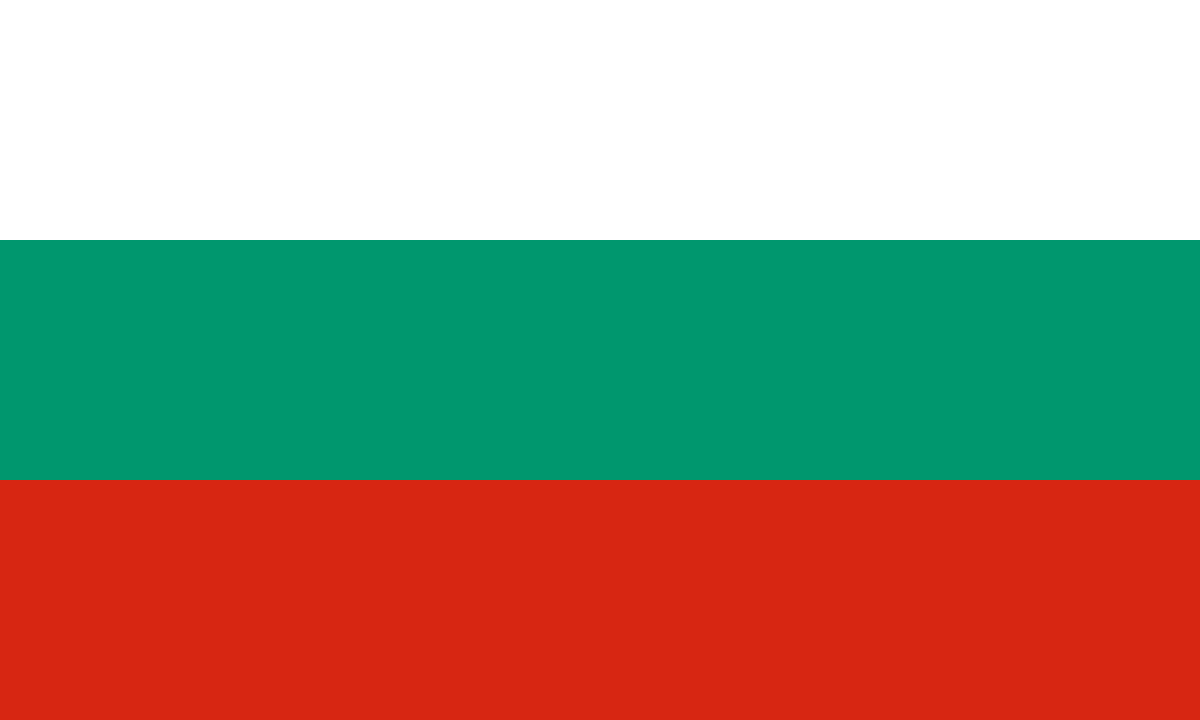
Bulgaria has officially adopted the euro as its currency, becoming the 21st member of the eurozone. This significant transition, which took place at midnight, marks nearly two decades since Bulgaria joined the European Union. While the move is celebrated by some as a step towards deeper integration with Europe, it has also sparked concerns over inflation and political instability, reflecting a divided public sentiment.
Transition to the Euro
At the stroke of midnight, Bulgaria said goodbye to the lev, its currency since the late 19th century. The central bank in Sofia marked this milestone by projecting images of Bulgarian euro coins onto its building. The country, home to approximately 6.4 million people, joined the eurozone amidst New Year festivities that were filled with both hope and apprehension. European Central Bank President Christine Lagarde welcomed Bulgaria into the euro family, describing the euro as a symbol of shared values and collective strength. For many Bulgarians, the switch was immediate and tangible; one resident expressed excitement after successfully withdrawing euros from an ATM shortly after the changeover.
Public Sentiment and Political Context
Despite strong government support for euro adoption, public opinion is sharply divided. Many citizens are worried about potential price increases and the impact on political stability. President Rumen Radev noted that the euro adoption is the “final step” in Bulgaria’s EU integration but expressed regret over the absence of a public referendum on the issue. He highlighted a significant disconnect between the political elite and the general populace, a sentiment echoed by the crowds who gathered in Sofia to celebrate the New Year. Concerns about rising prices were evident, with one woman noting fears that salaries would not keep up with inflation.
Economic Implications and Concerns
The introduction of the euro comes at a challenging time for Bulgaria, which has recently faced political turmoil, including anti-corruption protests that resulted in the ousting of a conservative government. As the country prepares for its eighth election in five years, economic anxieties remain. Major markets in Sofia displayed prices in both levs and euros, showcasing the immediate effects of the transition. While some residents expressed confidence in the euro’s stability, others voiced skepticism about the timing of the switch, particularly due to the rising cost of living. Official data indicated that food prices had already surged by 5% year-on-year, significantly higher than the eurozone average.
Future Outlook and Challenges
European Commission President Ursula von der Leyen praised Bulgaria’s entry into the eurozone as a significant accomplishment, promising benefits such as improved market transparency and easier travel. However, widespread concerns persist, with nearly half of Bulgarians opposing euro adoption, as revealed by a recent Eurobarometer survey. Outgoing Prime Minister Rossen Jeliazkov sought to reassure the public, asserting that inflation would not be directly linked to the currency change. Nonetheless, business owners reported difficulties in accessing euros ahead of the transition, and analysts cautioned that any issues arising from the switch could be exploited by anti-EU factions. As Bulgaria navigates this new economic chapter, the nation faces a delicate balance between optimism and caution.
Disclaimer: Digihunt is not a financial advisor and this is not investment advice.