As India sets its sights on becoming one of the top 10 sporting nations by 2036, the government has outlined a bold plan to transform the country’s sports ecosystem. In a significant move to professionalise sports administration, the Department of Sports has taken crucial steps to strengthen the administrative framework that will be pivotal in realising this ambitious goal.
Task Force on Capacity Building
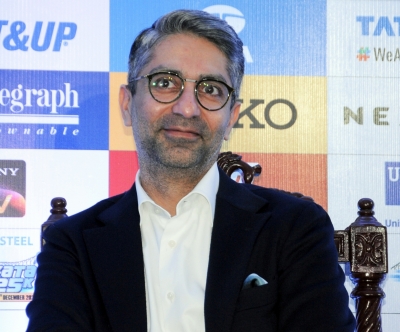
To achieve this vision, the Department of Sports established a Task Force on Capacity Building for Sports Administrators, chaired by Olympic gold medallist Abhinav Bindra. The Task Force recently submitted its detailed report, emphasising the need for professional, accountable, and forward-looking sports administrators to facilitate a paradigm shift in India’s sporting infrastructure. The recommendations are expected to accelerate India’s rise in global sports.
The Task Force has recommended establishing the National Council for Sports Education & Capacity Building (NCSECB) as an autonomous statutory body under the Ministry of Youth Affairs and Sports to regulate, accredit, and certify sports administration training.
Capability Maturity Model
The report calls for the introduction of a five-level Capability Maturity Model (CMM) as a diagnostic and planning tool to strengthen the capacity of sports administrators. This initiative aims to enable the Sports Authority of India (SAI), National Sports Federations (NSFs), and State Departments to assess institutional maturity across cadre structure, curriculum adoption, digital enablement, and athlete pathways, thereby supporting evidence-based monitoring and targeted interventions.
Furthermore, the report recommends integrating sports governance training modules into the induction and advanced training of IAS and State Civil Service officers, recognising their role in implementing sports policies. It proposes linking training to practical application and career progression through structured placements, a national accreditation registry, and policy integration.
Innovative Approaches
The report advocates for rotational postings, apprenticeship models, innovation labs, and partnerships with federations, government, and the private sector to ensure that administrators can apply their skills and advance professionally.
Ongoing Reforms
The Department of Sports is currently assessing the Task Force’s recommendations for necessary actions as part of its commitment to professionalise India’s sporting ecosystem. The Department has already initiated reforms to strengthen the sports administration framework. It has revised the norms of assistance under the Scheme of Assistance to National Sports Federations (NSFs) in May 2025, allowing NSFs to allocate up to 10 per cent of their total funding for administrative manpower. This ensures that NSFs have the professional staffing and technical support needed for effective operations.
Moreover, expenses required for smooth administrative operations, legal services, and the hiring of specialised young professionals or interns are now permitted up to 2.5% of the annual budget under the Scheme. NSFs have also been mandated to maintain an appropriate administrative structure and ensure proper advertising for staff appointments.
These reforms aim to establish a globally respected, athlete-focused governance framework, positioning India for long-term sporting success, including in 2036 and beyond. The government has already laid the foundation for this vision through the enactment of the National Sports Governance Act, 2025.