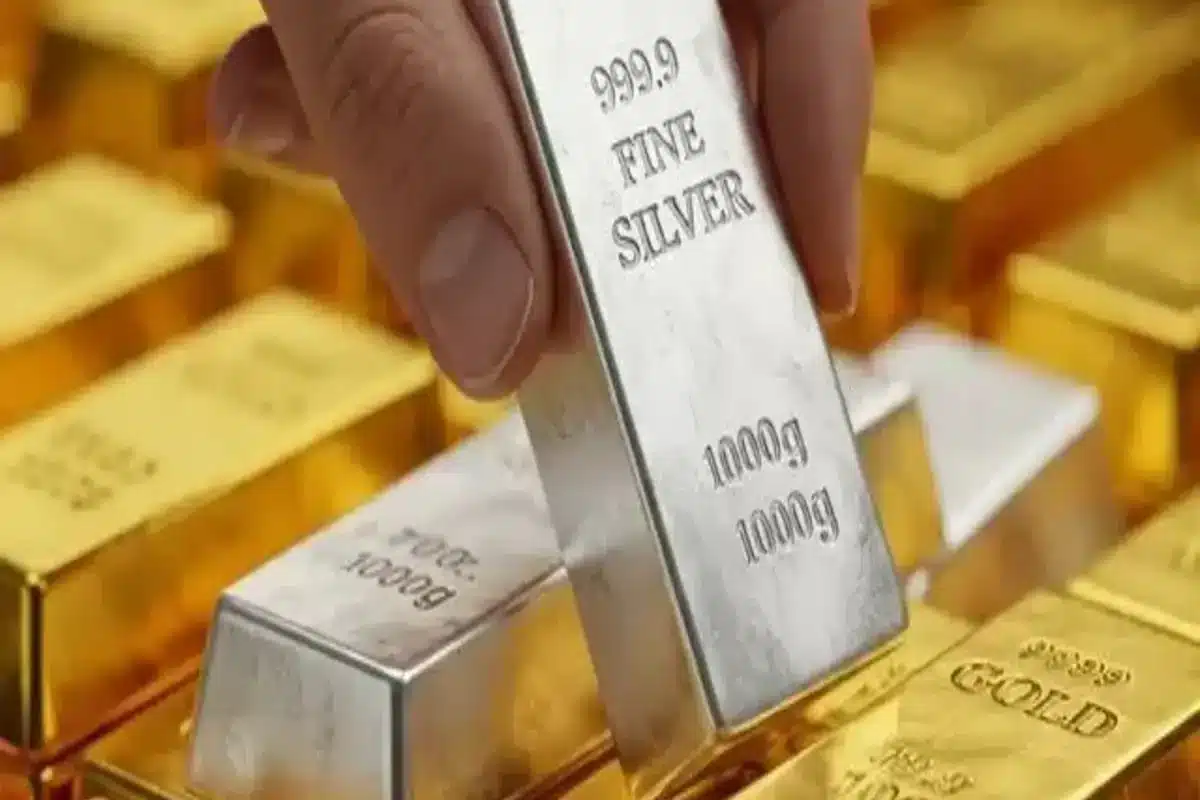
Gold and silver prices saw an extraordinary surge in 2025, leaving many investors amazed by the unprecedented growth. Gold closed at $4,319, marking a remarkable 65% increase, while silver soared by 148% to $71.66. With 2026 approaching, questions arise about whether this upward trend will persist. Analysts indicate that geopolitical tensions, macroeconomic concerns, and shifts in structural demand could sustain momentum for both precious metals in the coming year.
Record-Breaking Performance in 2025
The year 2025 was exceptional for gold and silver, with gold hitting approximately 52 record highs. This marked the strongest annual returns for gold since 1979, climbing from $1,898 to $4,488 over five years. Silver showed even more impressive growth, rising from $26.40 to $71.66, yielding a remarkable return of 171%. Notably, silver’s rally in the latter half of 2025 saw it surge nearly 82% since August 27, compared to a 28% increase for gold.
Experts attribute this remarkable performance to several factors. Praveen Singh, Head of Commodities and Currencies at Mirae Asset ShareKhan, noted that political instability, geopolitical tensions, and trade wars have driven demand for hard assets like gold and silver. Concerns over rising global debt and excessive fiscal spending have also made these precious metals appealing to investors seeking stability.
Underlying Factors Driving the Rally
Abhilash Koikkara, Head of Forex & Commodities at Nuvama Professional Client Group, emphasized that the price increases stem from deep structural factors rather than short-term speculation. Although fluctuations have been influenced by U.S. Federal Reserve policies, the primary drivers are rooted in fundamental economic conditions. The surge in gold signifies a shift in the global financial landscape, as central banks enhance their gold reserves amid fiscal pressures and a trend toward de-dollarization.
Silver’s rally, while aligned with broader macroeconomic trends, has also been supported by specific physical market fundamentals. Koikkara highlighted that structural supply deficits and rising industrial demand from sectors such as electrification and renewable energy have tightened the silver market. Unlike previous cycles, the current strength of silver is driven by consumption growth rather than speculative excess, positioning it as a unique investment opportunity.
Future Outlook for Gold and Silver in 2026
Looking forward to 2026, analysts predict steady performance for gold, bolstered by expectations of lower global interest rates and ongoing central bank purchases. Maneesh Sharma from Anand Rathi Shares & Stock Brokers expects that gold could deliver annual returns of 25-30%. However, he warns that gains may moderate as investors adjust to higher prices. Conversely, silver is anticipated to outperform gold in percentage terms due to its dual role as both a precious and industrial metal, supported by persistent supply deficits and strong demand from sectors like solar energy and electric vehicles.
Praveen Singh forecasts that gold may reach $5,000 per ounce by the end of 2026, while silver could rise to between $85 and $95. Anticipated restrictions on silver exports from China could further boost silver’s price, creating a favorable environment for investors. As the market evolves, both metals are likely to face volatility, but the structural demand for silver positions it as a compelling investment choice in the coming year.
Digihunt is not a financial advisor and this is not investment advice.