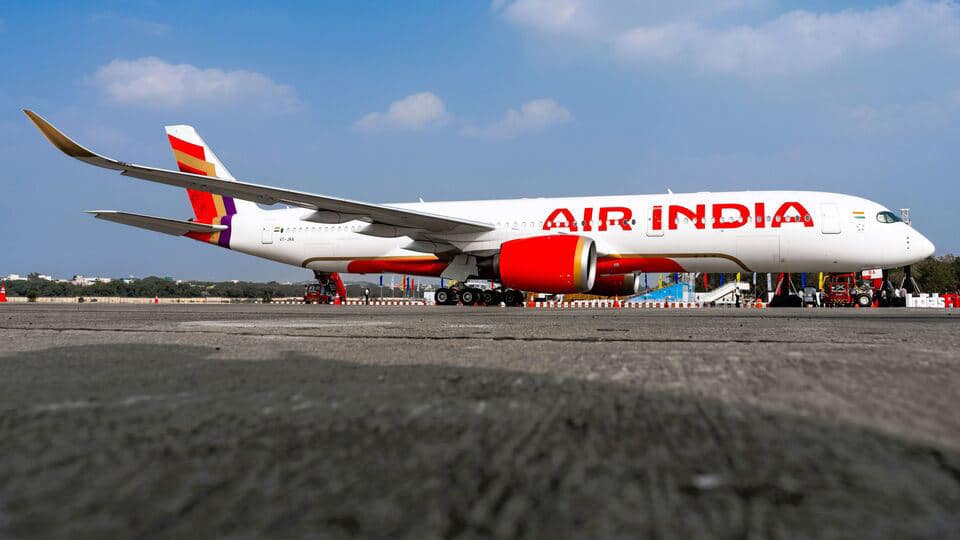
A significant shift is underway in the Indian aviation sector as budget airline IndiGo and the Air India group contend with a pressing shortage of pilots. This challenge has intensified with the introduction of new flight duty time limitation (FDTL) rules aimed at enhancing safety. Both airlines are now racing to recruit pilots, with IndiGo planning to hire 100 in January alone. The competition for experienced captains has escalated, fueled by a wave of resignations and enticing offers from foreign carriers.
Recruitment Strategies Amidst Competition
In light of the increasing pilot shortage, IndiGo has assured the Directorate General of Civil Aviation (DGCA) of its commitment to strengthen its pilot workforce. The airline’s plan to induct 100 new pilots in January underscores the urgency of the situation. Simultaneously, Air India has begun advertising for pilots, taking proactive measures to ensure adequate staffing levels. The current scenario has led to a notable uptick in captain resignations, with many pilots transitioning between the two airlines or choosing roles with international carriers. This trend has heightened competition for talent in the Indian aviation market, prompting both airlines to reevaluate their recruitment strategies.
Financial Incentives and Industry Dynamics
The financial landscape for pilots is changing as airlines offer attractive joining bonuses to attract experienced aviators. Reports indicate that captains are now receiving offers that include bonuses of up to Rs 50 lakh, a stark increase from previous years when joining bonuses ranged from Rs 15-25 lakh. The competitive dynamics of the industry raise concerns about poaching, as airlines scramble for a limited pool of seasoned pilots. A senior airline official pointed out that the new FDTL rules will further aggravate the pilot shortage, making it imperative for airlines to improve their recruitment and retention strategies.
Challenges in Pilot Retention
Both IndiGo and Air India are grappling with challenges in retaining their pilots, primarily due to dissatisfaction with working conditions and pay structures that have not kept pace with inflation. Pilots at both airlines have voiced concerns about their working environments, which may lead to additional attrition if left unaddressed. To combat this issue, IndiGo has announced a slight increase in pilot pay and enhancements to existing allowances, effective next month. Air India is also gearing up to unveil a comprehensive plan aimed at improving pilot compensation and working conditions in early January, with the goal of attracting and retaining talent in a competitive market.
Future Outlook for Indian Aviation
As the Indian aviation sector readies itself for future growth, both IndiGo and Air India are strategizing to meet the demands of an expanding fleet. While Air India currently does not face a pilot shortage for most aircraft, it is preparing for future aircraft inductions, particularly for the Boeing 787 Dreamliner. On the other hand, IndiGo is adjusting its working norms to attract and retain pilots in light of the new FDTL regulations. The evolving dynamics of the industry suggest that both airlines will need to adopt more humane employment practices to remain competitive and fulfill market demands.
Digihunt is not a financial advisor and this is not investment advice.