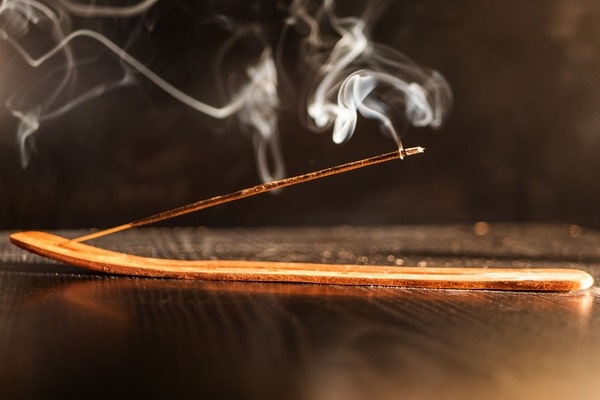
The Indian government has introduced a new standard for incense sticks, known as agarbattis, aimed at enhancing product safety and quality. Announced on National Consumer Day 2025, this initiative by the Bureau of Indian Standards (BIS) outlines specific quality norms and prohibits the use of certain harmful substances in the manufacturing process. This move is part of a broader effort to promote sustainable practices in the incense stick industry, which is deeply rooted in Indian culture and has seen growing global demand.
New Quality Standards for Incense Sticks
The newly established standards categorize agarbattis into three types: machine-made, hand-made, and traditional masala agarbattis. Each category is subject to specific norms regarding raw materials, burning quality, fragrance performance, and chemical parameters. The government aims to ensure that consumers receive safer products with consistent quality. The minister for consumer affairs emphasized that these standards will help protect public health and improve indoor air quality, addressing concerns raised by international studies regarding the use of synthetic chemicals in incense products.
Prohibited Substances and Health Concerns
The notification released by the ministry includes a comprehensive list of substances that are banned from use in incense stick production. This list features several insecticidal chemicals, such as alethrin, permethrin, cypermethrin, deltamethrin, and fipronil, along with synthetic fragrance intermediates like benzyl cyanide and ethyl acrylate. Many of these chemicals are restricted or banned in various countries due to their potential health risks, including respiratory irritation and allergic reactions. The ministry’s statement highlights the importance of these regulations in safeguarding consumers and the environment from the adverse effects of these substances.
Impact on the Incense Stick Industry
India stands as the largest producer and exporter of agarbattis globally, with the industry valued at approximately Rs 8,000 crore annually. Exports reach nearly Rs 1,200 crore, serving over 150 countries, including the United States, Malaysia, and Brazil. The incense stick sector plays a crucial role in supporting a vast network of artisans, micro-entrepreneurs, and small and medium enterprises, particularly in rural and semi-urban areas. This industry not only generates significant employment opportunities but also empowers women, who constitute a large part of the workforce.
Promoting Ethical Manufacturing Practices
The introduction of these new standards is expected to bolster consumer confidence and encourage ethical manufacturing practices within the incense stick industry. By aligning traditional craftsmanship with modern quality expectations, the government aims to support local artisans and enhance their access to global markets. Products that comply with the new standards will be eligible to carry the BIS Standard Mark, allowing consumers to make informed choices. This initiative reflects India’s commitment to preserving its cultural heritage while ensuring that indigenous industries meet contemporary safety and quality standards.
Digihunt is not a financial advisor and this is not investment advice.