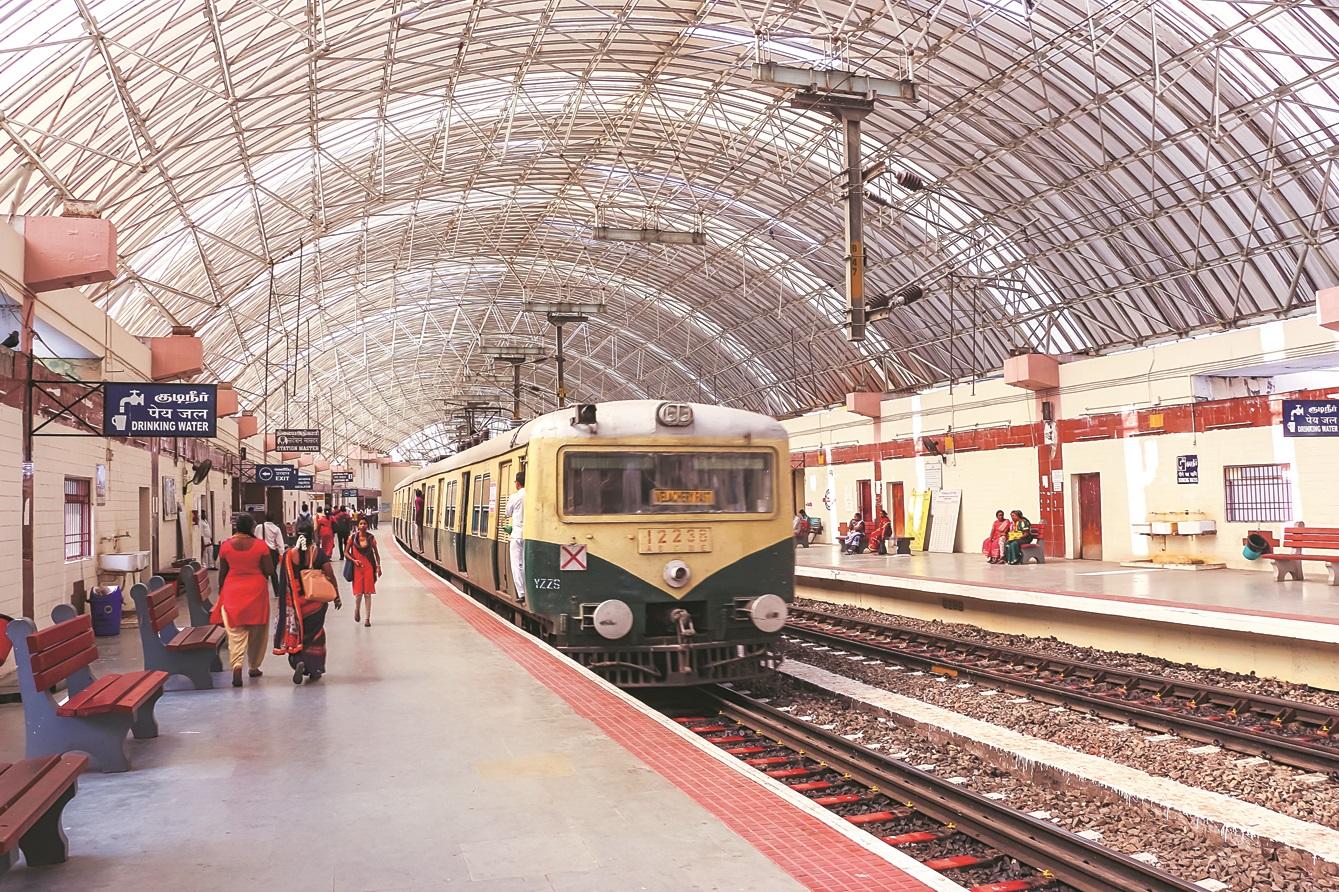
Railways in India has announced a fare rationalization plan set to take effect for tickets booked on or after December 26. This initiative aims to balance passenger affordability with the sustainability of railway operations. Importantly, there will be no fare increases for suburban services and season tickets, ensuring that short-distance travelers and daily commuters are unaffected. The revised fare structure will apply to various classes and distances, with specific increases detailed for different categories.
Fare Structure Changes for Ordinary Services
The Ministry of Railways is implementing a graded fare increase for Ordinary Non-AC (Non-Suburban) services. For Second Class Ordinary journeys, fares will rise by Rs 5 for distances between 216 km and 750 km. For longer journeys, the increases will be Rs 10 for distances of 751–1,250 km, Rs 15 for 1,251–1,750 km, and Rs 20 for journeys between 1,751–2,250 km. This structured approach aims to minimize the impact on short-distance travelers while adjusting fares for longer journeys. Additionally, Sleeper Class Ordinary and First Class Ordinary fares will see a uniform increase of 1 paise per kilometer for non-suburban journeys.
Modest Increases for Mail and Express Trains
For Mail and Express trains, the fare increase has been capped at 2 paise per kilometer across both Non-AC and AC classes. This includes various categories such as Sleeper, First Class, AC Chair Car, AC 3-Tier/3E, AC 2-Tier, and AC First Class. For example, a typical 500 km non-AC Mail/Express journey will incur an additional charge of approximately Rs 10. This modest increase aims to ensure that fare adjustments remain manageable for passengers while supporting the operational needs of the railway services.
Application of Revised Fares and Ticketing Details
The revised basic fares will also apply to premium and special services, including popular trains like Tejas, Rajdhani, Shatabdi, and Vande Bharat, among others. However, the Ministry clarified that there will be no changes to reservation fees, superfast surcharges, or other ancillary charges. The applicability of GST and fare rounding rules will remain unchanged. Tickets booked before December 26 will not be subject to the new fares, even if the journey occurs after the effective date. Tickets issued by Ticket Checking Staff or booking personnel on or after December 26 will reflect the revised rates.
Implementation and Public Awareness
The updated fare list will be prominently displayed at railway stations starting December 26, with necessary adjustments being made across ticketing systems, including the Passenger Reservation System (PRS) and Unreserved Ticketing System (UTS). The Ministry of Railways has instructed zonal railways to ensure widespread publicity regarding the fare changes and to implement them effectively, following approval from the Finance Directorate. This proactive approach aims to keep passengers informed and facilitate a smooth transition to the new fare structure.
Digihunt is not a financial advisor and this is not investment advice.