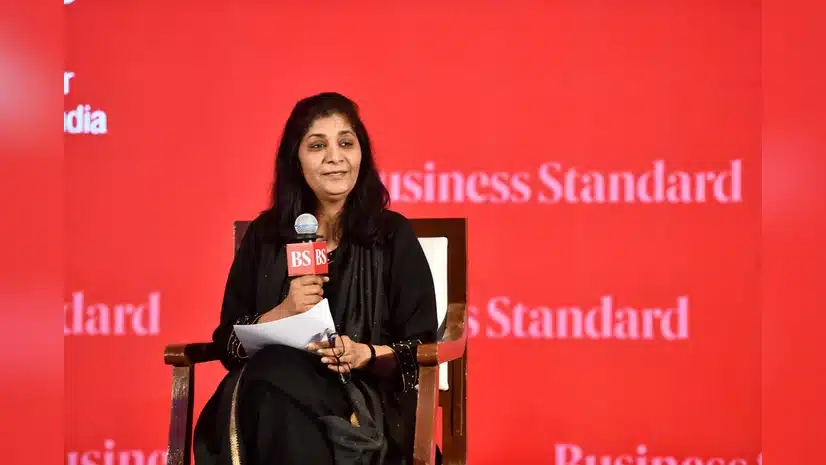
RBI Deputy Governor Poonam Gupta has expressed optimism regarding India’s economic growth, attributing it to a series of reforms and structural strengths. In her first interview since taking office eight months ago, Gupta addressed concerns about the recent fluctuations in the rupee, stating they are not alarming. She emphasized India’s potential for sustained growth and a favorable inflation outlook, highlighting the resilience of various sectors within the economy.
India’s Growth Trajectory
Gupta pointed out that India’s growth rate has steadily accelerated over the past four decades. Currently, the country resembles East Asian economies during their transition to high-middle-income status. She noted that India’s demographic advantages, along with robust domestic consumption and a diversified economic base, differentiate it from countries reliant on a limited number of sectors. Agriculture is becoming increasingly resilient due to mechanization and diversification. Alongside agriculture, manufacturing is also on an upward trend, while the services sector remains the largest and fastest-growing component of the economy. Gupta believes ongoing reforms will result in stronger growth outcomes, projecting a growth rate of 7-7.5% in the coming years.
Inflation Outlook and Monetary Policy
From a medium-term perspective, Gupta indicated that inflation has been trending downwards, with the Reserve Bank of India’s inflation-targeting framework yielding positive results over the past decade. She mentioned that inflation has been particularly benign this year and is expected to remain stable for several months. The RBI’s forecast for inflation in 2025-26 stands at 2%, at the lower end of the acceptable range. Gupta explained that as economies mature, inflation typically declines due to increased capacity and improved productivity. The RBI has already reduced the policy rate by 125 basis points in less than a year, allowing for flexibility in future monetary policy based on incoming data.
Resilience Amid Global Trade Tensions
Despite recent trade tensions and a 50% tariff imposed by the US, Gupta emphasized that India’s economy remains resilient. She attributed this resilience to the country’s inherent strengths and swift policy responses. The increasing number of Free Trade Agreements (FTAs) and ongoing reforms, such as the Goods and Services Tax (GST) and labor reforms, are likely to bolster the economy further. Gupta reassured that India’s external position remains stable, with a manageable current account deficit estimated at around 1-1.2% of GDP. She noted that rupee depreciation aligns with historical trends and should not significantly impact inflation.
Future Prospects and Investment Opportunities
Gupta highlighted that there is still room for economic expansion, with current capacity utilization at approximately 74%. She believes that the economy can grow faster without overheating, as there is no immediate risk of overstimulation. The RBI is closely monitoring changes in GDP, inflation, and industrial production data, particularly with the anticipated revisions from the Ministry of Statistics and Programme Implementation (MoSPI). Gupta expressed confidence that ongoing reforms and the opening of new markets through FTAs will enhance India’s economic resilience and growth potential. She concluded that the current economic landscape presents an inflection point for accelerated growth, driven by increased demand and investment opportunities.
Digihunt is not a financial advisor and this is not investment advice.