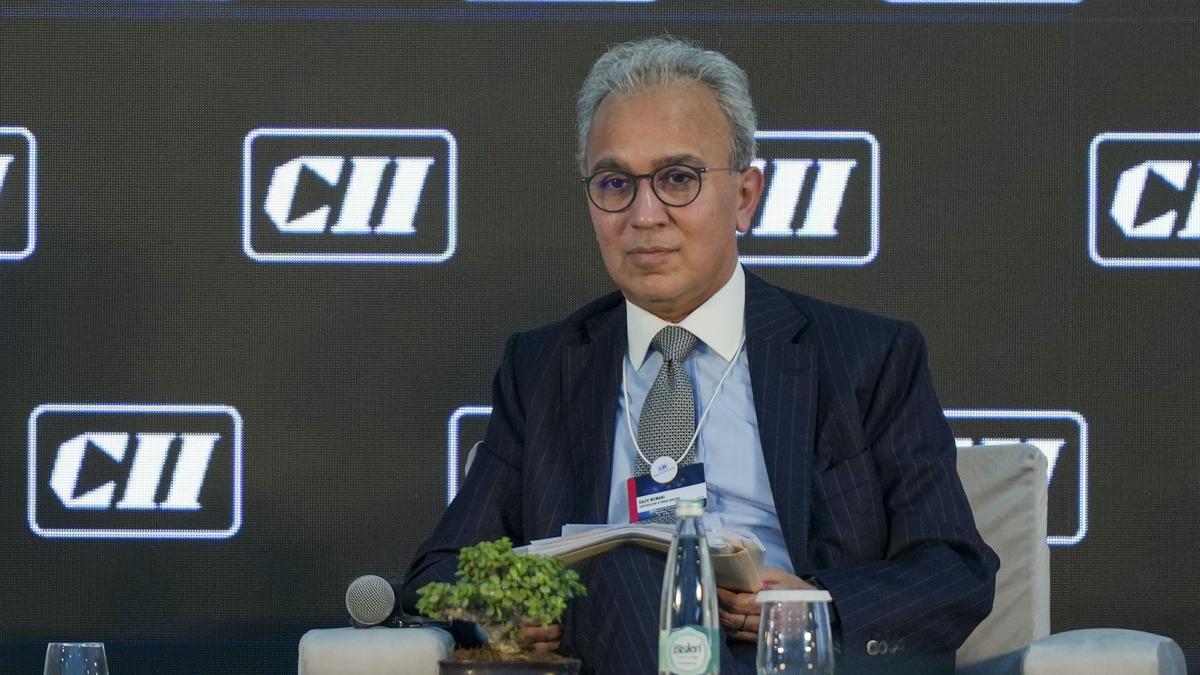
CII President Rajiv Memani, who is also the Chairman and CEO of EY India, has articulated a vision for 2025 that underscores the necessity for ongoing reforms across pivotal sectors. In a recent interview, he spotlighted power, mining, ease of doing business, and judicial reforms as essential areas needing attention. Memani commended the government’s recent initiatives and reforms, which he believes establish a solid groundwork for India’s economic expansion, expressing optimism that this momentum will continue.
Reforms Driving Economic Growth
Memani noted that the previous year has been marked by significant reforms, including adjustments to the Budget, GST, labor codes, and insurance laws, alongside numerous trade agreements. He highlighted India’s impressive economic performance, showcasing a GDP growth rate of 8% for the first half of the year, a notable achievement against the backdrop of the global economic climate. He observed that other economic indicators, like the fiscal deficit and corporate balance sheets, also demonstrate positive trends. According to Memani, this year will be remembered for its substantial reforms and trade deals, and he hopes the government will sustain this momentum.
Focus Areas for Future Reforms
As he looks ahead, Memani detailed a wish list for the next few months, stressing the necessity of sector-specific reforms. He identified energy and mining as critical fields requiring enhancement. While energy costs have declined, he noted that companies still incur higher charges due to cross-subsidization and access fees. He called for the aggressive privatization of state distribution companies to mitigate ongoing losses. Furthermore, he emphasized the importance of unlocking the mining sector to significantly lower manufacturing costs. Memani also pointed out the necessity for considerable investments in logistics, particularly in high-speed rail infrastructure, to improve efficiency.
Addressing Trade Challenges and Labor Codes
Memani addressed the effects of U.S. tariffs on Indian exports, observing that while overall exports have risen, the composition has evolved. He emphasized the success of trade diversification, especially in food products, but acknowledged that certain labor-intensive sectors face difficulties. As companies gear up for the implementation of new labor codes, Memani indicated that state-level training and digital compliance solutions are vital. He urged the government to ensure alignment between state recommendations and the new codes to ease transitions for businesses.
Tax Simplification and Disinvestment Strategies
On the taxation front, Memani advocated for simplification measures to alleviate challenges in mergers, acquisitions, and dispute resolution, particularly given the substantial backlog of cases at the Commissioner of Income Tax (Appeals) level. He also underscored the need for a strategic approach to disinvestment, recommending that the government aim for over Rs 2 lakh crore in disinvestments or privatizations over the coming two years. Memani believes that accumulating cash reserves through disinvestment could fund productive economic initiatives, such as infrastructure development, especially amidst uncertainties surrounding China and other nations. He suggested consolidating efforts within a central ministry to boost efficiency and speed in these areas.
Digihunt is not a financial advisor and this is not investment advice.